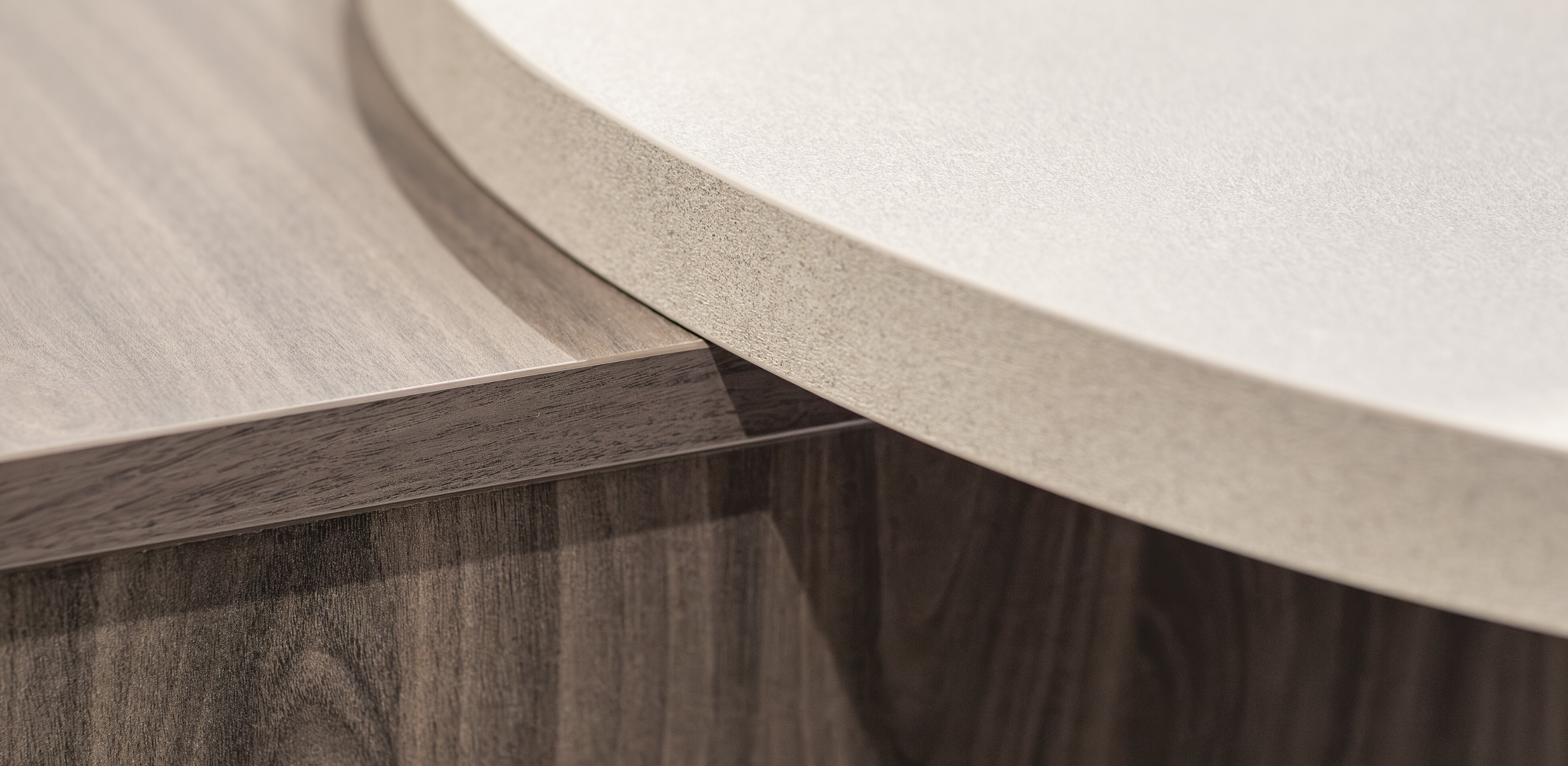
The Kitchen Follows the Curve: Why Rounded German Kitchen Design Is Redefining Modern Living
Modern kitchens are no longer purely functional spaces. They are central living environments—places where cooking, socializing, and everyday life intersect. One of the most defining design shifts shaping this evolution is the move toward curved, organic forms.
In premium German kitchen design, this trend is gaining strong momentum. Clean lines are being softened, sharp edges reduced, and cabinetry is increasingly designed to flow seamlessly into the surrounding space.
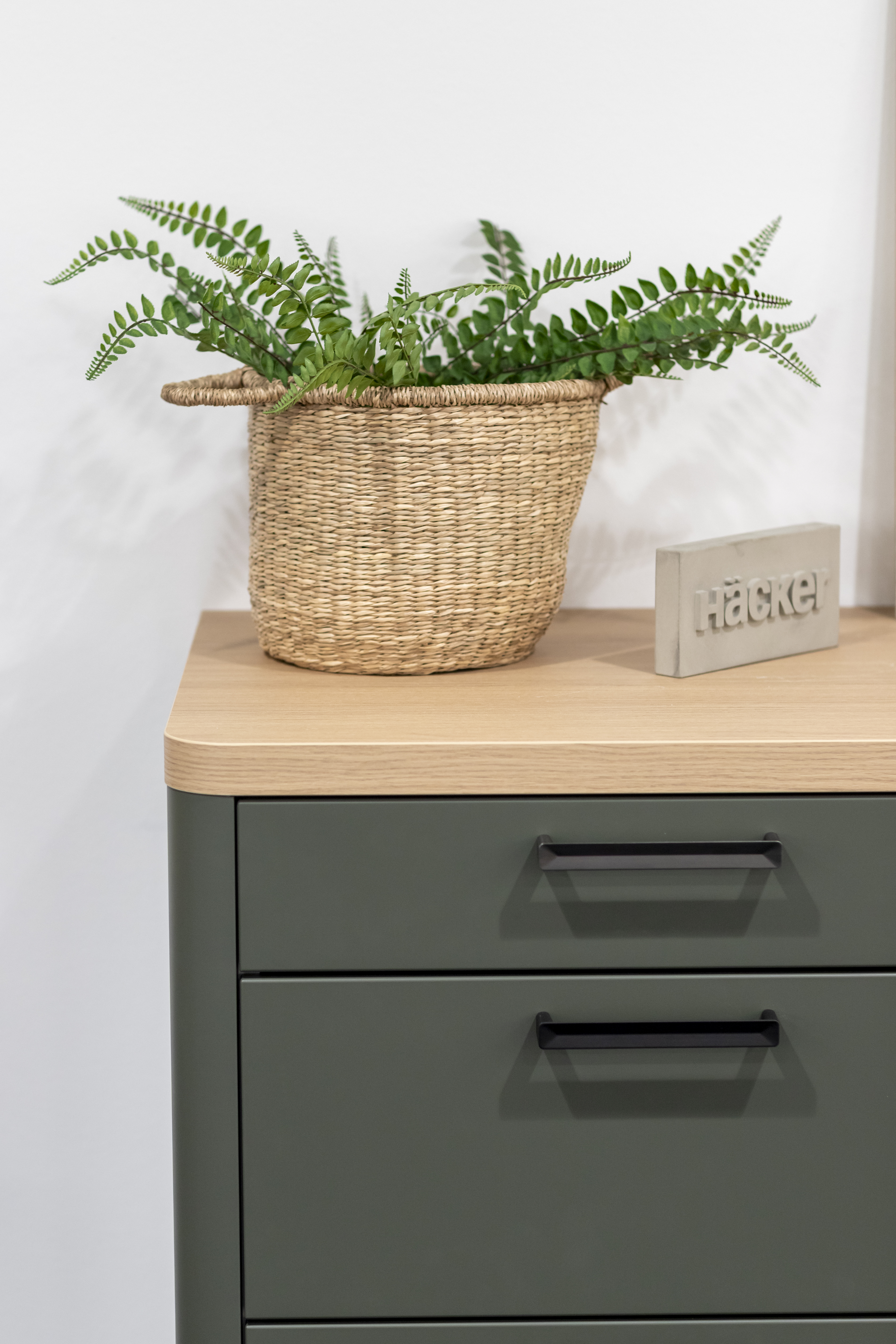
Why Curves Matter in Kitchen Design
Traditional kitchens often rely on strict linear geometry—straight runs, right angles, and rigid structures. While efficient, this can feel technical and segmented.
Rounded elements introduce a different spatial experience:
• More openness: Curved edges visually expand the room and reduce visual barriers
• Improved flow: Movement through the kitchen becomes more intuitive
• Softer aesthetics: The space feels more welcoming and less rigid
• Better integration: Kitchens blend more naturally into open-plan living areas
This is particularly relevant in open-concept homes, where the kitchen is no longer separated but fully visible and integrated.
The Role of German Kitchen Cabinets in This Trend
German kitchen manufacturers are known for precision, engineering, and minimalism. What makes this shift interesting is how technical perfection meets organic design.
Curved solutions are not simply decorative—they require advanced manufacturing and planning:
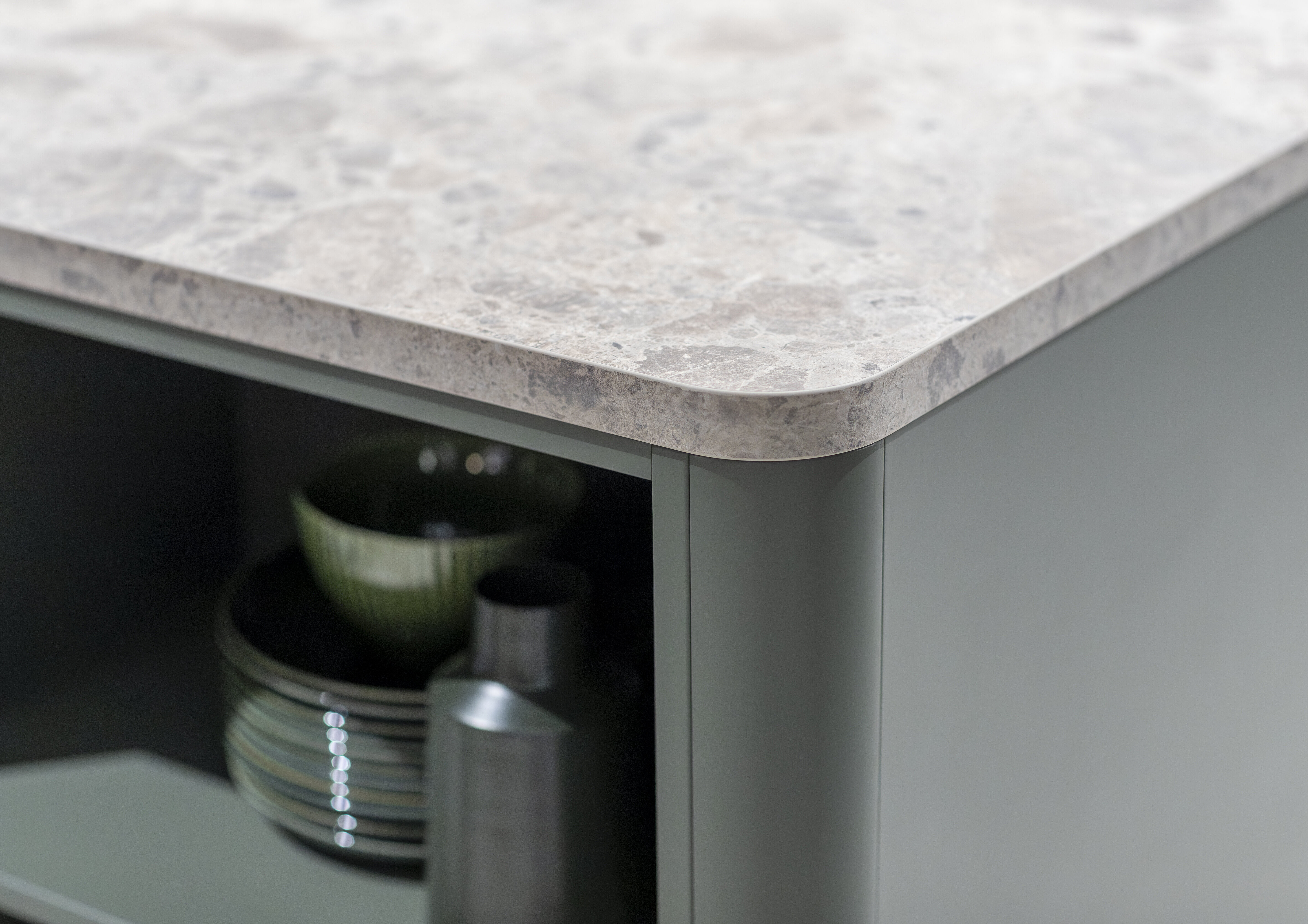
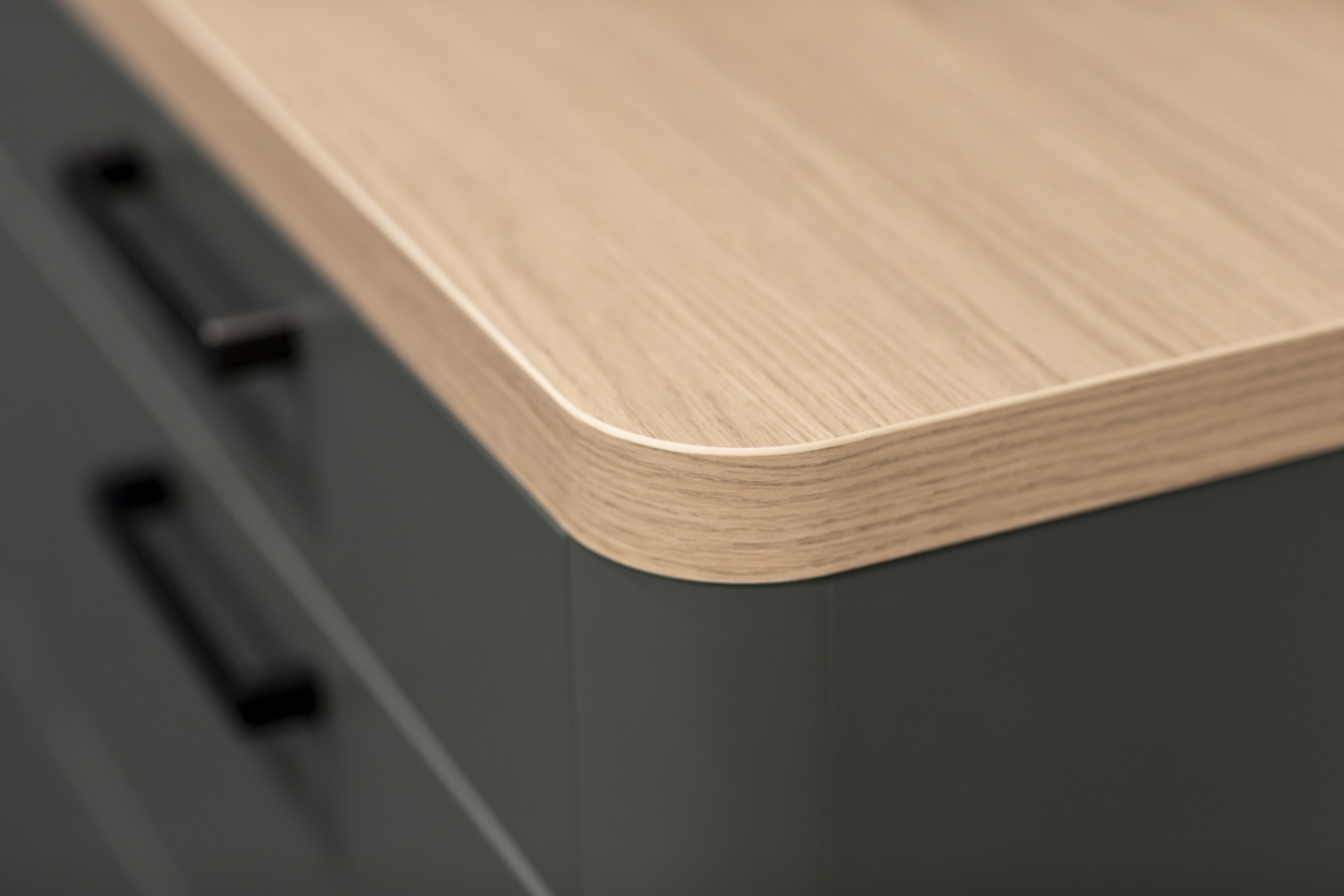
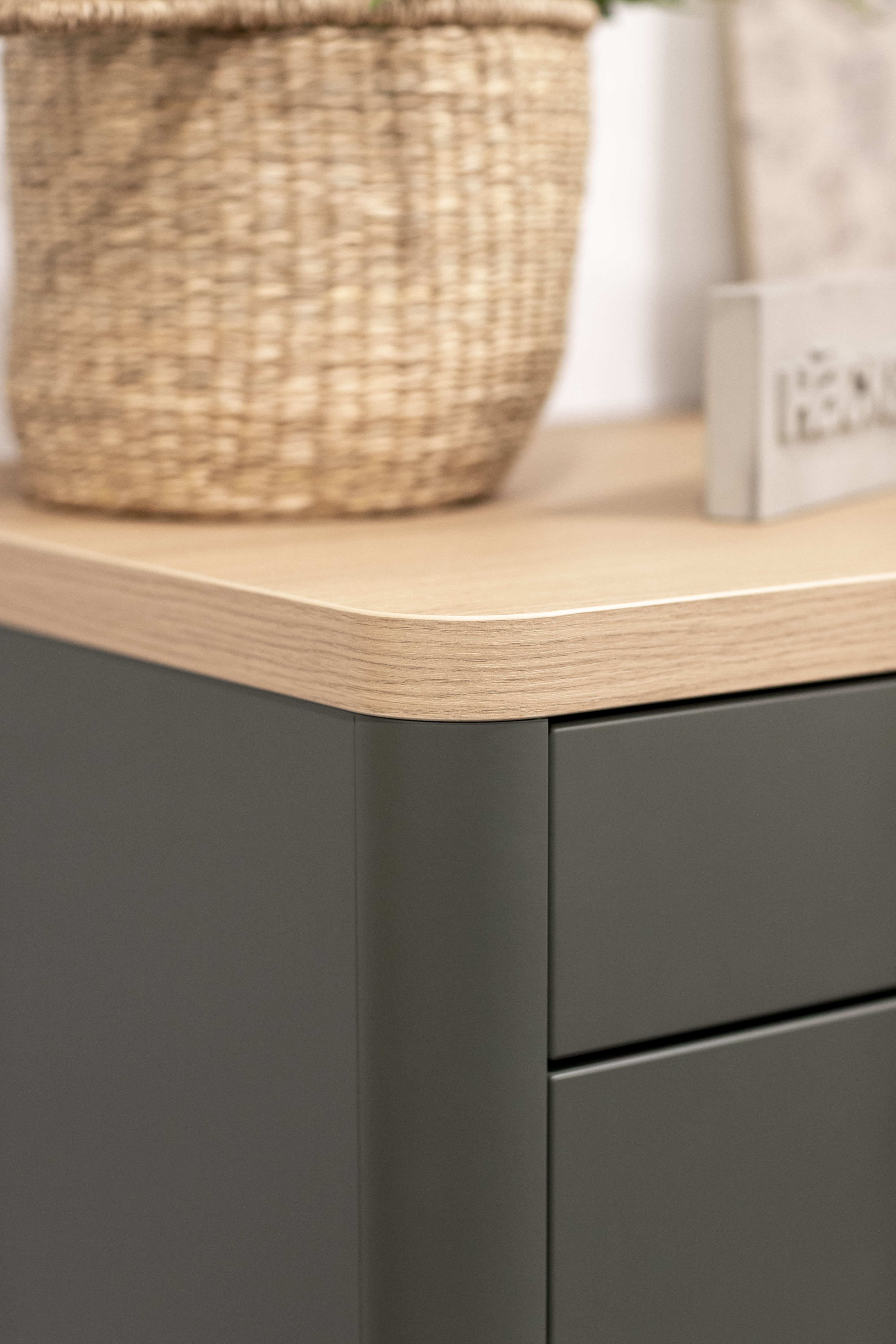
• Rounded side panels that create smooth transitions at cabinet ends
• Curved kitchen islands that act as architectural centerpieces
• Seamless material continuity, even across non-linear surfaces
• Handleless systems that emphasize uninterrupted flow
This level of execution is a hallmark of high-end German kitchen cabinets, where every detail—from edge finishing to material durability—is engineered for both aesthetics and longevity
Design Applications: Where Curves Work Best
Curved elements can be integrated in various ways, depending on the overall kitchen concept:
• End panels: Subtle rounding at cabinet edges for a refined finish
• Kitchen islands: Fully curved or semi-circular designs as focal points
• Transitions: Smooth connections between kitchen and living furniture
• Open shelving or niches: Softened shapes for visual lightness
The key is balance—combining linear structure with selective curvature to maintain clarity while adding warmth.
Conclusion
“The kitchen follows the curve” is not just a design statement—it reflects how kitchens are adapting to modern lifestyles. By introducing rounded elements, the kitchen becomes more fluid, more social, and more integrated into everyday living.
For homeowners and designers seeking a balance between technical excellence and contemporary aesthetics, curved German kitchen design offers a forward-looking solution that aligns function with form.